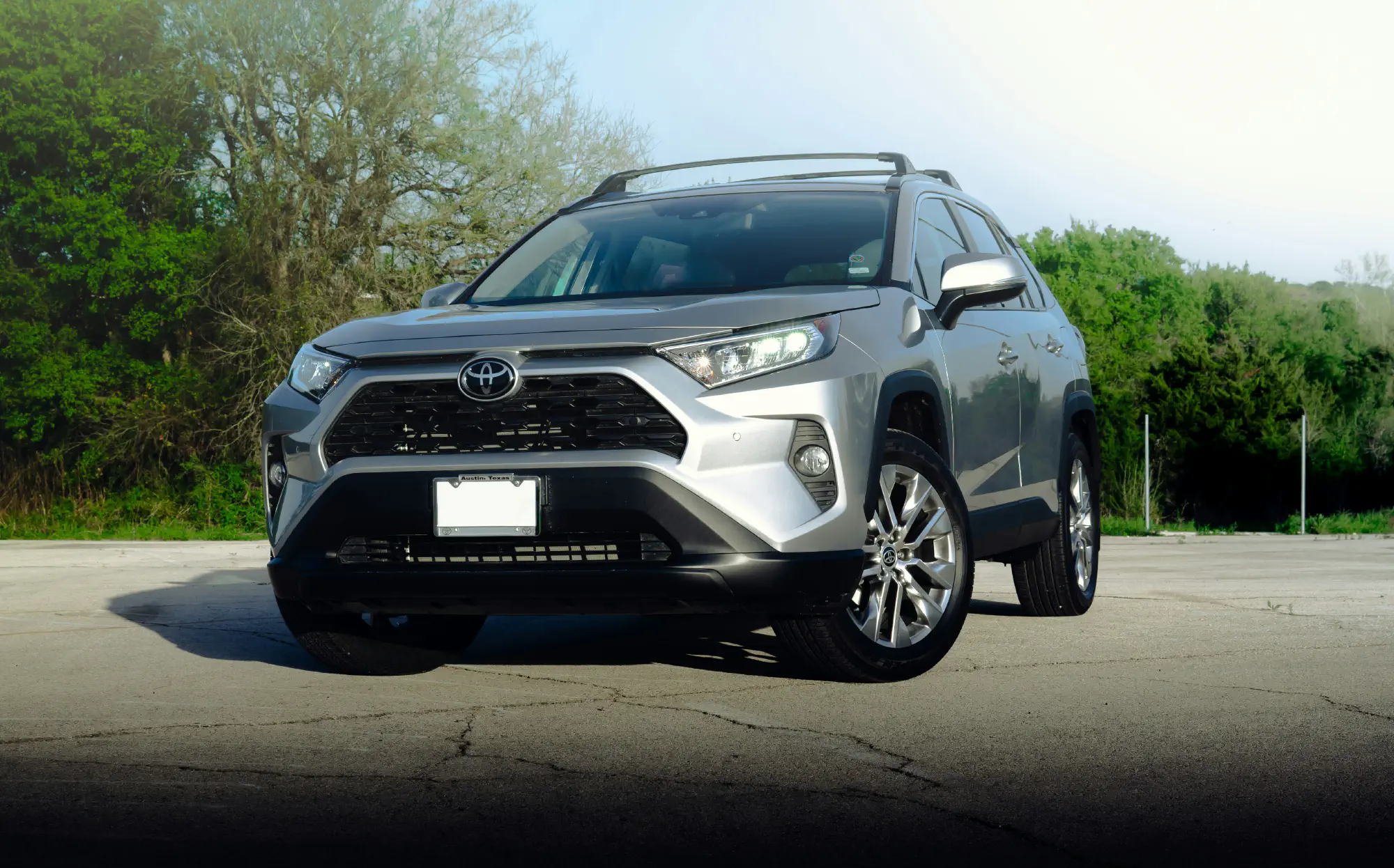
Leaky Roof Rack on the 2022 RAV4: What’s Causing It and How to Address It
In this guide, we’ll break down what’s causing the RAV4 roof rack leak, which model years are most affected, and what repair options owners have. We’ll also share real owner experiences, repair costs, and maintenance tips to help you stay ahead of this issue before it causes lasting interior damage.
If you’ve noticed water dripping from the headliner or pooling in the cargo area of your 2022 Toyota RAV4, you’re not alone. Many owners are reporting roof leaks that seem to originate near the factory-installed roof rack. While the RAV4 is known for its dependability and durability, this particular issue has frustrated drivers who never expected to deal with water intrusion on a nearly new SUV.
In this guide, we’ll break down what’s causing the RAV4 roof rack leak, which model years are most affected, and what repair options owners have. We’ll also share real owner experiences, repair costs, and maintenance tips to help you stay ahead of this issue before it causes lasting interior damage.
Reports of a RAV4 roof rack leak have become more frequent among owners of 2019–2023 models, particularly the 2022 RAV4. The issue stems from the roof rack mounting points, where bolts secure the rack to the roof. Over time or in some cases, right from the factory, these bolts or seals can allow water to seep through into the headliner or rear pillars.
Toyota uses foam gaskets and sealant to waterproof the rack attachment points. However, poor sealant application or drying shrinkage can compromise the barrier. In some cases, owners report hearing a sloshing sound or noticing water stains near the rear hatch or A-pillars.
While Toyota has not issued a formal recall, several Technical Service Bulletins (TSBs) mention similar water intrusion problems, advising technicians to reseal the roof molding or replace deteriorated gaskets. Dealers often check roof rail mounting bolts and reapply sealant as part of the repair.
On RAV4 forums, Reddit threads, and CarComplaints, the issue has gained attention for its persistence and the difficulty of pinpointing the exact leak source.
Here’s what owners have reported:
While the RAV4 remains one of Toyota’s most reliable models overall, this issue can lead to costly interior damage if ignored.
Repair costs for a Toyota RAV4 roof rack leak vary depending on where the water is entering and how extensive the damage is.
Service Type | Dealership Estimate | Independent Shop Estimate | Notes |
Leak diagnosis and water test | $100–$200 | $80–$150 | May involve removing trim panels and roof liner. |
Roof rack reseal (with gasket replacement) | $300–$600 | $250–$450 | Includes removing roof rails and resealing attachment points. |
Headliner replacement (if damaged) | $700–1,200 | $600–1,000 | Necessary if mold or staining occurs. |
Under Toyota’s bumper-to-bumper warranty, leaks caused by poor factory sealing are typically covered for 3 years or 36,000 miles. However, once that expires, owners may face out-of-pocket costs unless they have extended warranty coverage that includes body and trim issues.
Preventing a RAV4 roof rack leak comes down to regular inspection and proactive maintenance. Here are practical steps to help avoid future water intrusion:
Consistent attention to these small details can save hundreds in future repairs and preserve your RAV4’s resale value.
A Toyota RAV4 roof rack leak isn’t typically dangerous, but it can become a serious problem if left unresolved. Moisture trapped in the headliner or side panels can cause mold, corrosion, and even short circuits in interior electronics.
If you notice recurring water intrusion, don’t ignore it. Visit a trusted dealership or certified mechanic for a pressure test. Even small leaks can expand quickly, especially in regions with heavy rain or snow.
Owners who plan to keep their vehicle long-term should also consider extended warranty coverage, since factory warranties eventually expire and repairs like this can add up over time.
If your factory warranty is running out, it’s smart to plan ahead for potential repairs like this.
Factory-backed warranty: Why risk a warranty that prefers used parts? Our extended warranties are factory-backed and cover OEM parts, no matter the make or model of your vehicle. You’ll feel confident knowing your coverage is solid and nationwide.
Your best price: Buying your extended warranty today locks in your lowest rate and protects you from rising labor and parts costs in the future.
Accepted anywhere: Use your warranty at any licensed repair shop or dealership nationwide. Just show your card and get the repairs you need—no hassle, no guesswork.
Explore your options today at GrangerWarranty.com
In most cases, the leak occurs when the factory-applied sealant around the roof rack mounting bolts fails or the foam gaskets deteriorate. This allows rainwater to travel through the bolt holes and into the cabin, especially during heavy rainfall or high-pressure washes.
If your vehicle is still under Toyota’s 3-year/36,000-mile basic warranty, this repair should be covered. Once the factory coverage expires, owners can still get protection with a factory-backed extended warranty from providers like Granger Warranty.
The typical reseal or gasket replacement costs between $300 and $600 at most shops. If water damage has affected the headliner or electronics, the total can exceed $1,000.
While it won’t immediately affect drivability, ignoring the leak can cause electrical issues, mold growth, and corrosion. Addressing the issue early prevents costly damage down the road.
To explore affordable, factory-backed protection before your coverage expires, visit GrangerWarranty.com.
Stay up to date with the latest news from Granger Warranty