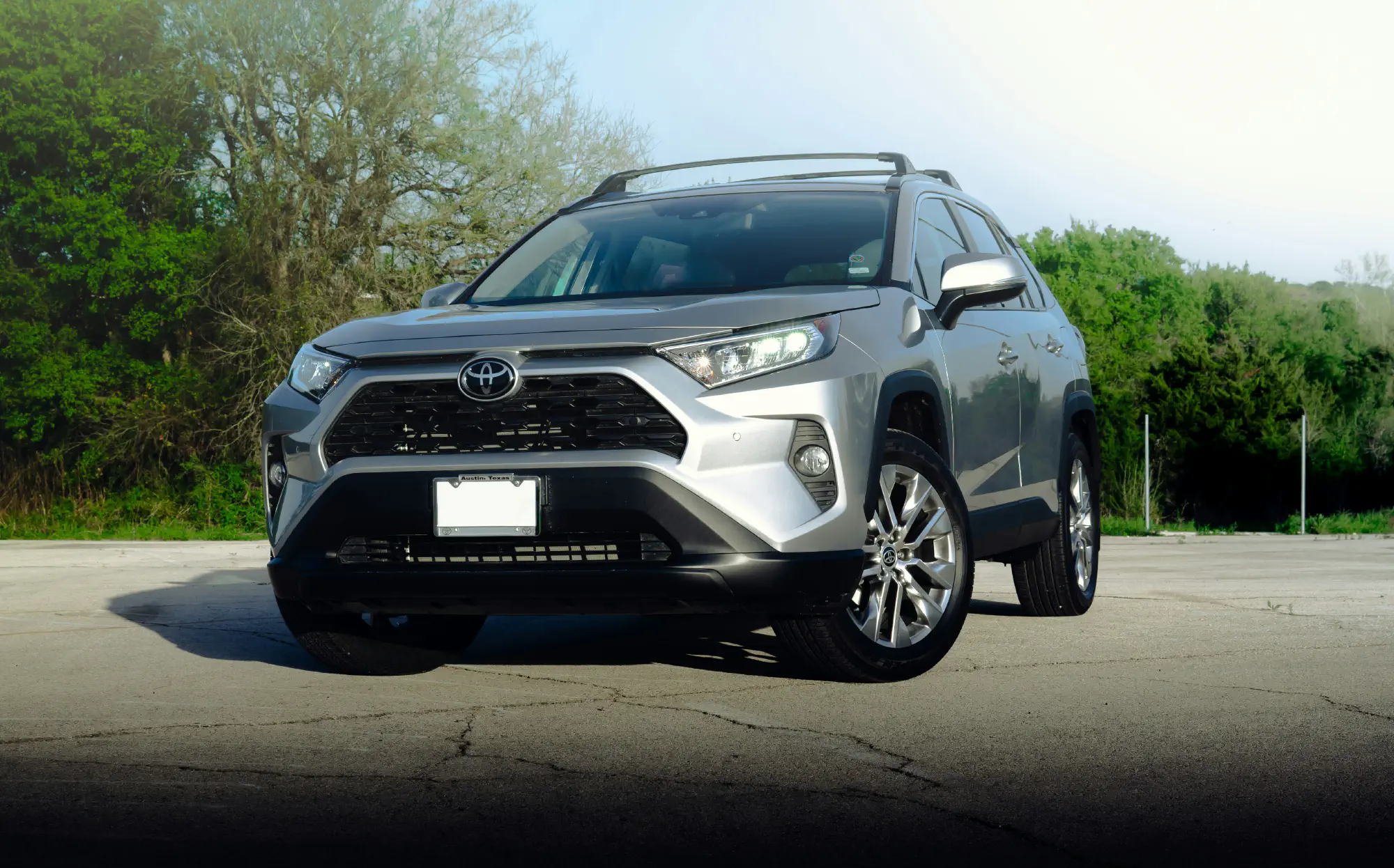
2022 RAV4 Battery Problems Explained: Early Failures, Draining, and Replacement Tips
In this guide, we’ll break down what’s behind the RAV4 battery problems, what other owners are saying, how much repairs typically cost, and what you can do to prevent future failures. We’ll also cover warranty coverage details and what steps to take if your factory warranty is about to expire.
If your 2022 Toyota RAV4 is experiencing unexpected battery drain or frequent electrical issues, you’re not alone. Many owners of the fifth-generation RAV4 have reported early battery failures, slow starts, or power loss after short trips. These problems can appear within the first two years of ownership, leaving drivers confused since Toyota vehicles are typically known for reliability.
In this guide, we’ll break down what’s behind the RAV4 battery problems, what other owners are saying, how much repairs typically cost, and what you can do to prevent future failures. We’ll also cover warranty coverage details and what steps to take if your factory warranty is about to expire.
The 2022 Toyota RAV4’s electrical and battery-related issues primarily stem from premature 12-volt battery degradation and parasitic power drain. These issues appear more commonly in RAV4 Hybrid and Prime (plug-in hybrid) models but have also been reported in gas-only versions.
Common symptoms include:
Several technical service bulletins (TSBs) from Toyota address these concerns. For example, TSB 0105-22 covers charging system updates for hybrid models, advising dealers to check for software updates that improve power management. Another TSB notes that the 12-volt auxiliary battery may fail earlier than expected due to high parasitic draw from onboard modules that remain active when the vehicle is off.
These problems are not considered widespread recalls but are common enough to have active discussions across RAV4 owner communities.
According to reports from CarComplaints, Reddit’s r/RAV4Club, and Toyota Nation forums, battery issues in 2022 RAV4 models often appear between 10,000 and 30,000 miles. Many owners describe returning to a completely dead vehicle after leaving it parked for just a few days.
A few consistent themes emerge from owner feedback:
While Toyota dealers often replace batteries under warranty, some owners have had difficulty replicating the issue, leading to diagnostic delays or repeated visits.
If your vehicle is still under Toyota’s 3-year/36,000-mile basic warranty, the cost of replacing a failing 12-volt battery or addressing a charging issue is typically covered. Hybrid components have an even longer coverage period (8 years/100,000 miles for hybrid-related systems).
However, once that coverage expires, owners may face the following out-of-pocket expenses:
Repair Type | Dealership Estimate | Independent Shop Estimate |
12V Battery Replacement | $250–$400 | $180–$300 |
Diagnostic Testing | $150–$250 | $100–$175 |
Charging System Software Update | Often included with warranty | $80–$150 |
Hybrid DC Converter Repair | $1,000–$1,800 | $900–$1,400 |
Because electrical issues can be intermittent, dealerships often require a full diagnostic session, which adds to the total repair cost. Once the factory coverage ends, extended warranty protection becomes a valuable safeguard against these rising expenses.
While some RAV4 battery problems originate from design-related factors, you can minimize the risk with proactive maintenance habits.
Here are practical ways to prevent early battery failure:
These steps can help extend battery life and reduce the likelihood of repeated failures.
In most cases, 2022 RAV4 battery issues are more inconvenient than dangerous. However, a dead battery can leave you stranded or unable to access electronic systems such as power locks, alarm systems, or hybrid drive components.
If you experience repeated drain or start-up issues, it’s best to have the system professionally tested rather than rely on jump-starts. Prolonged neglect can cause deeper electrical issues, including alternator stress or data module faults.
Owners nearing the end of their Toyota factory warranty should also consider future coverage options, especially since electrical diagnostics and hybrid-related repairs can be costly once out-of-pocket.
If your factory warranty is running out, it’s smart to plan ahead for potential repairs like this.
Factory-backed warranty: Why risk a warranty that uses aftermarket parts? Granger Warranty offers factory-backed extended warranties that ensure OEM replacement parts and dealership-level service, no matter where you travel. You’ll feel confident knowing your repairs are fully covered nationwide.
Your best price: Lock in your coverage now to avoid higher future repair costs. With parts and labor prices rising each year, your extended warranty price stays the same for the entire term.
Accepted anywhere: Get repairs done at any Toyota dealer or certified shop across the country. Simply present your warranty card, and repairs are handled seamlessly without surprise bills or red tape.
The problem is typically caused by parasitic battery drain from modules that don’t fully shut down, combined with undersized 12-volt batteries. Software bugs and high accessory use can also contribute to premature failure.
Yes, if your RAV4 is still within the 3-year/36,000-mile basic warranty, Toyota should replace the 12V battery or update the software free of charge. Extended warranty holders may also be fully covered for diagnostics and parts after that period.
Most battery replacements take less than an hour. However, diagnosing electrical drains may require leaving your vehicle overnight. Costs typically range from $180 to $400, depending on where you have the work done.
While not immediately dangerous, a weak battery can disable safety features like ABS, power steering assist, or hybrid controls if it dies while driving. It’s best to address the issue early to avoid being stranded.
To explore affordable, factory-backed protection before your coverage expires, visit GrangerWarranty.com and get a free extended warranty quote today.
Stay up to date with the latest news from Granger Warranty